
That bastard was fucking with me. […] I should have known he wasn’t going to show. There were no metal detectors at the door…
— Salisa, Journal: August 24th, 2025
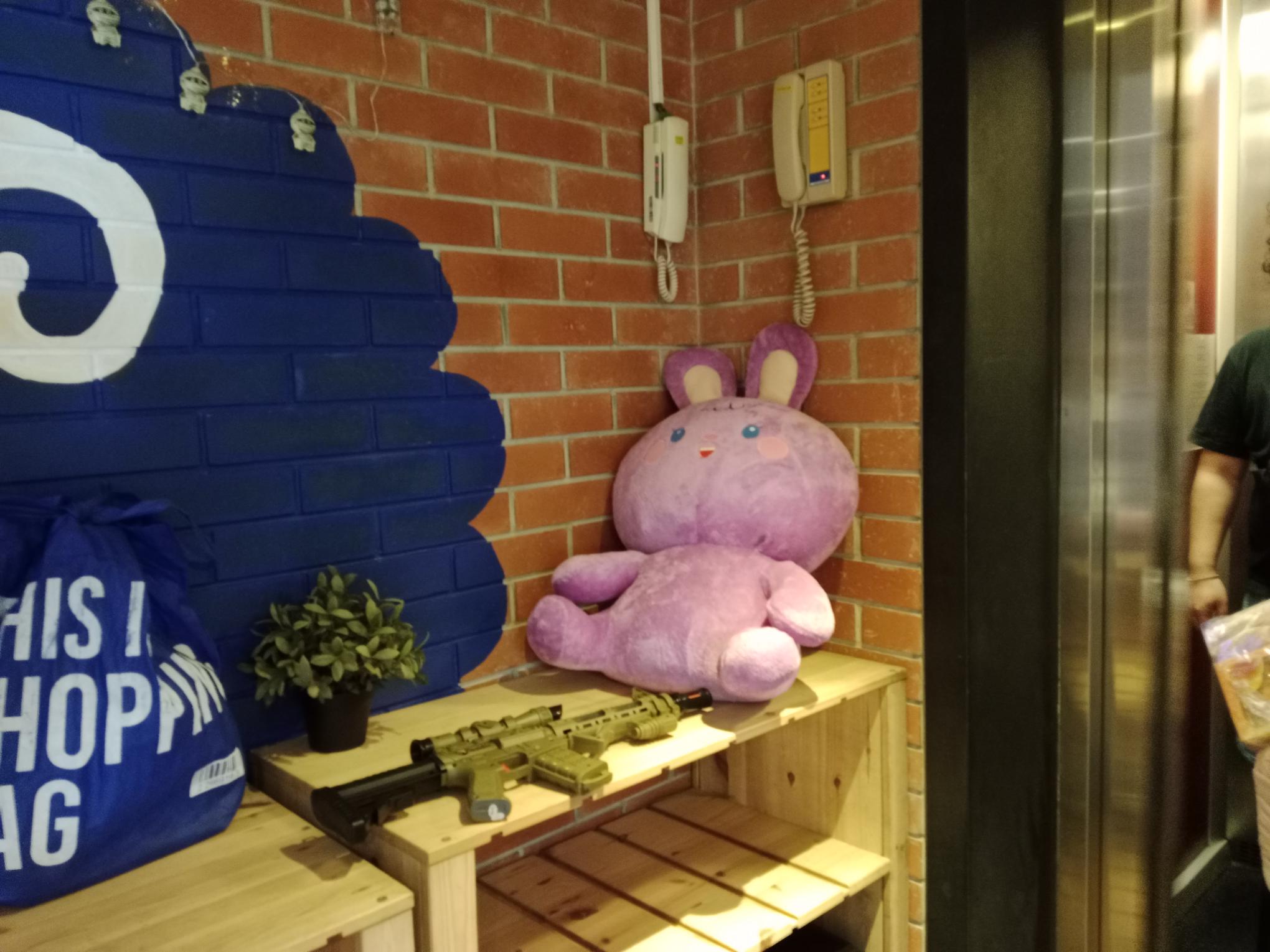
I’m okay. Here is what I walked into at the hotel about to go up the elevator. Budget hotel hailed from Japan. Very funny but I’m not laughing. […]
Reading Kierkegaard or Cioran on despair now makes me feel like shooting myself. Excessive egoism and sentimentalism. Grierson called them “sentimental materialists”…
— Salisa to Henry, October 26th, 2025

Francis Grierson’s Materialism & Crime (1913)
We may be at the beginning of a reign of a state of affairs the like of which the world has never known, a state of things which may cause a pandemonium of unrelenting fury in which all the so-called Christian nations, become materialistic at heart, after playing at hypocrisy so long, will throw off their masks and engage in an Armageddon of slaughter in which the thing called humanity will have no part, in which the total destruction of commercial rivals will be the only incentive and the only aim. And the soldiers most likely to win the final rounding up are the Russians in Europe, the Turks in the Near East, and the yellow races in the Far East. Because these people still believe they have souls. They are not afraid to die. The materialist hates to die although he may not fear death. His desire is to live as long as he can and enjoy all he can.
And not only this, but there is likely to come a time, and that before very long, when the soldiers of the sceptical nations will refuse to fight; the feeling of patriotism will evaporate. When this happens they will feel as if one ruler is as good as another — a Czar of Russia would prove as welcome as a King of England or an Emperor of Germany.
While the Continental nations like Germany and France have been made materialistic by science, England and America have been made so by a sentimental form of religion, with science and commercialism as props. We are an emotional people with sentimental whims, seldom able to give a sound reason for believing in anything, because sentimentalism and sound sense do not dwell together. This being so, there is a rude awakening in store for the Anglo-Saxon sentimentalist. In the hour of inexorable crime and universal upheaval all the sentimentalisms of the present would go as chaff in a whirlwind. The sentimental materialists, without real faith in anything or anybody, would fail to render the people any real courage or consolation.
That our civilisation is becoming more and more materialistic is proved by the astounding number of child suicides which occur year after year. Two or three decades ago child suicides were rarely known. This state of things is the result of the first harvest of our materialistic sowing, and a curious phase of the union of materialism and sentimentality is the hatred of authority which the combination so often produces. Children left to their own whims and devices turn out unrelenting free will sentimentalists. The wonder is that more suicides do not occur, and if blood-crimes do not increase under our present mode of civilisation it will be still more wonderful. One characteristic of murder is the frequent concurrence with suicide. Whole families often disappear instead of a single member, and double suicides are too frequent to cause any unusual comment. We are growing used to horrors. And what is still more curious, from lack of real ordeals produced by prolonged wars, people gloat over sordid crime and vulgar criminals as they never did in former days. A murder mystery gives profound satisfactions. The most stimulating and melodramatic murders now occur in England and America, the two most “religious” and sentimental countries in the world; also the two nations where the dollar is most worshipped.
The void left by the passing of heroic emotions is filled by the horrible, the monstrous, and the sadic. Geneva, the greatest stronghold of sectarian religion in the world, is now to become an arena for the Spanish bull-fight. And yet sentimentalists tell us that the passing of war means the arrival of the millennium. From having been heoric we have grown pusillanimous, superstitious, and cruel. We seek horrors instead of heroes.


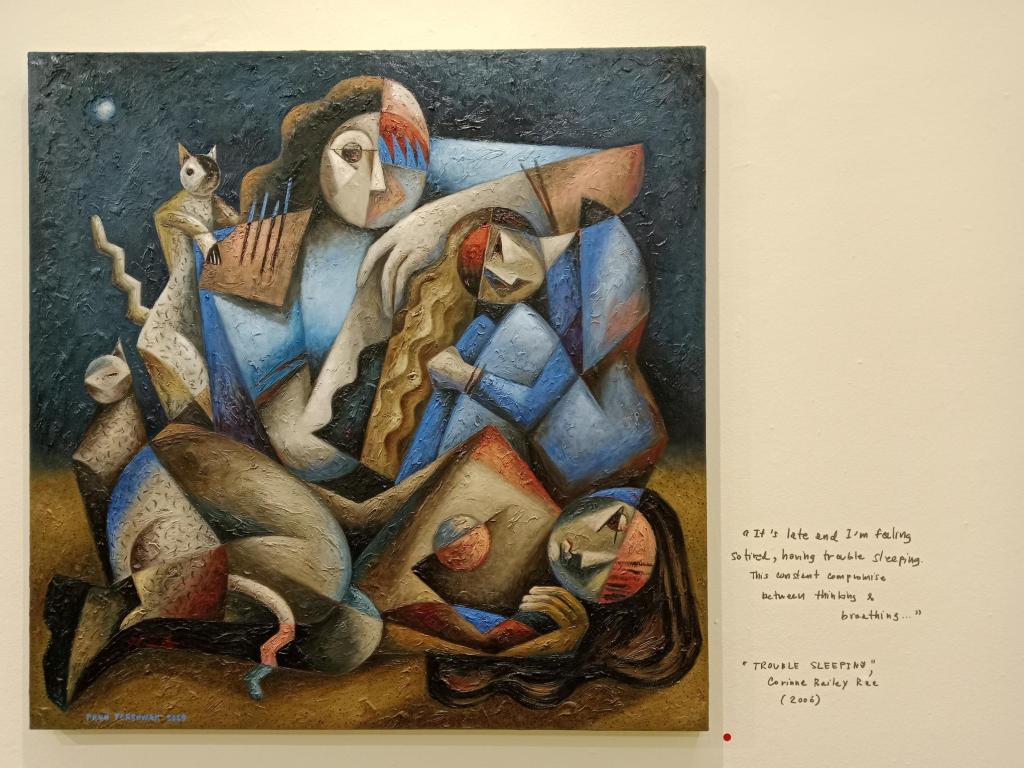
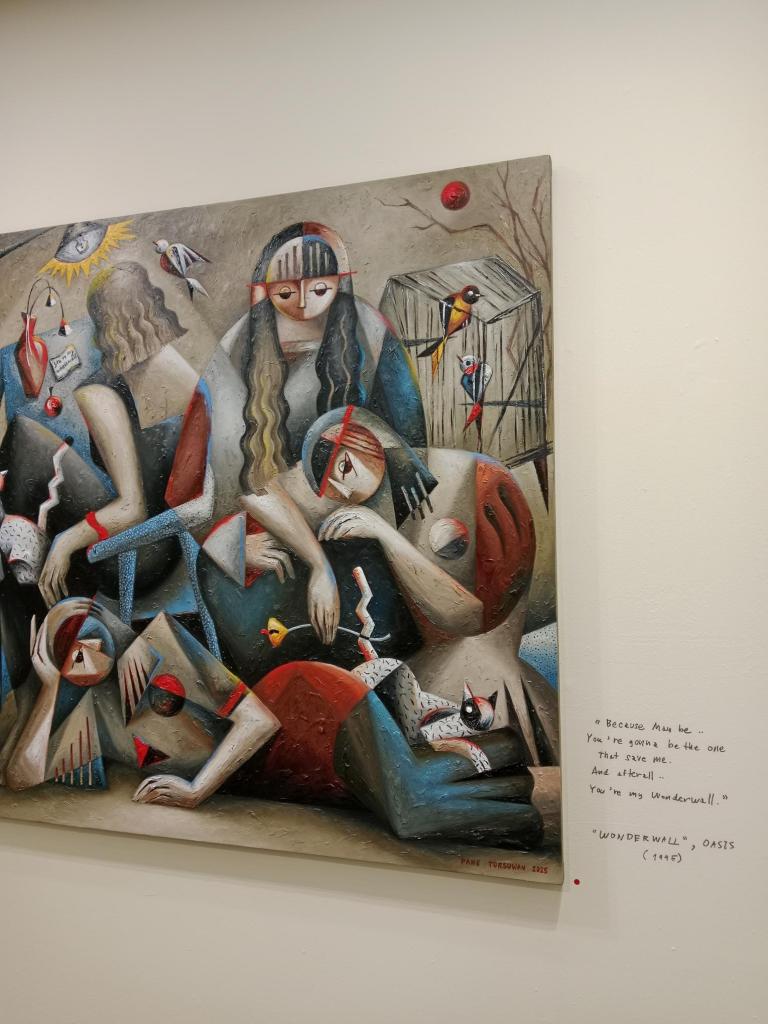
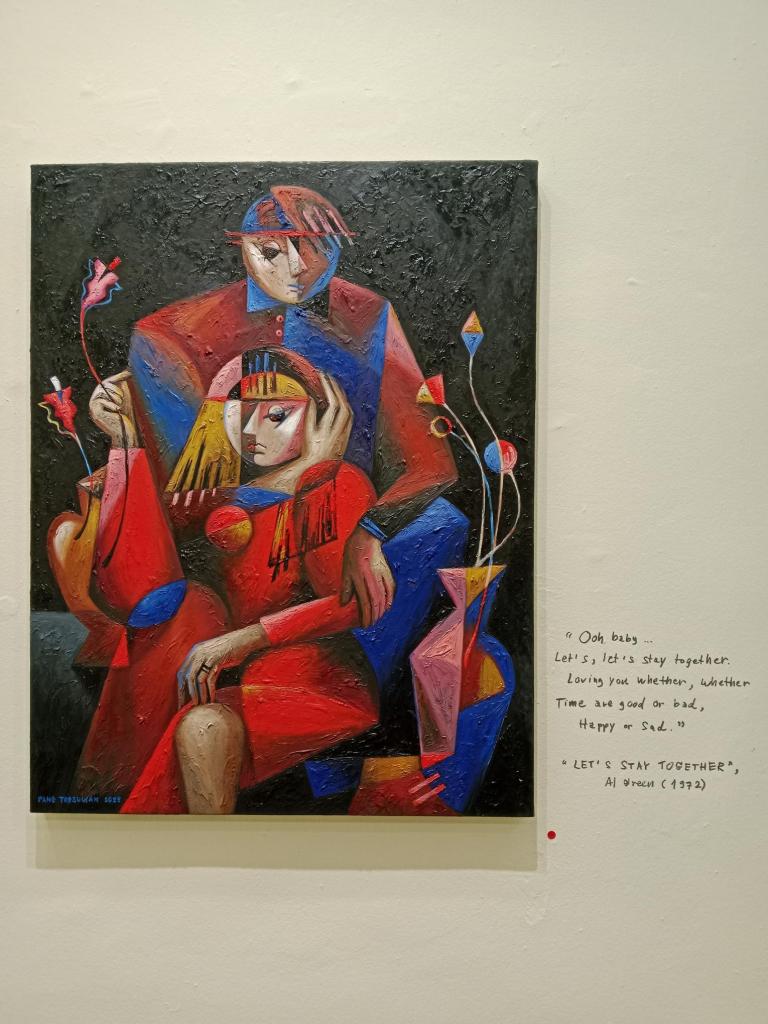
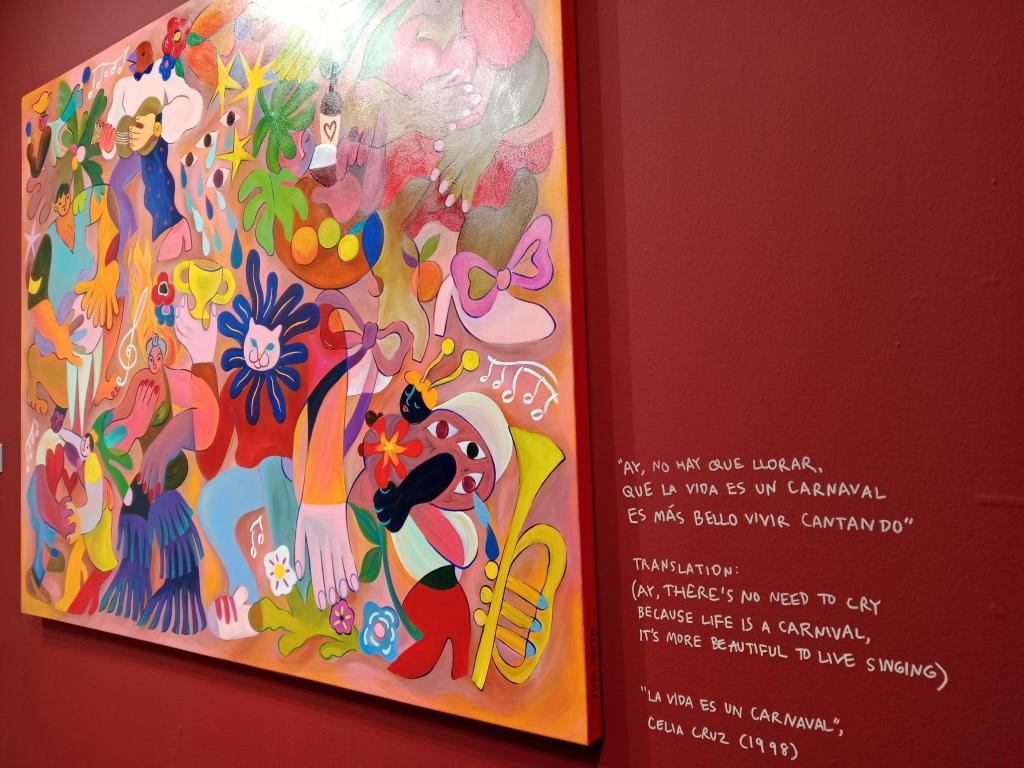
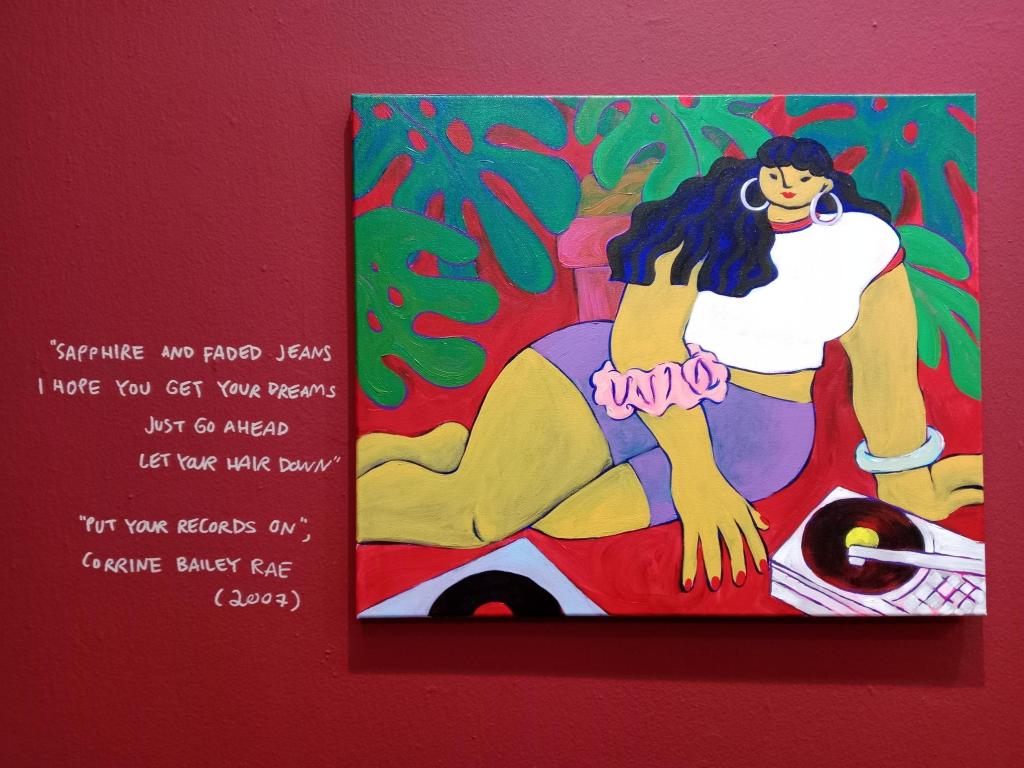
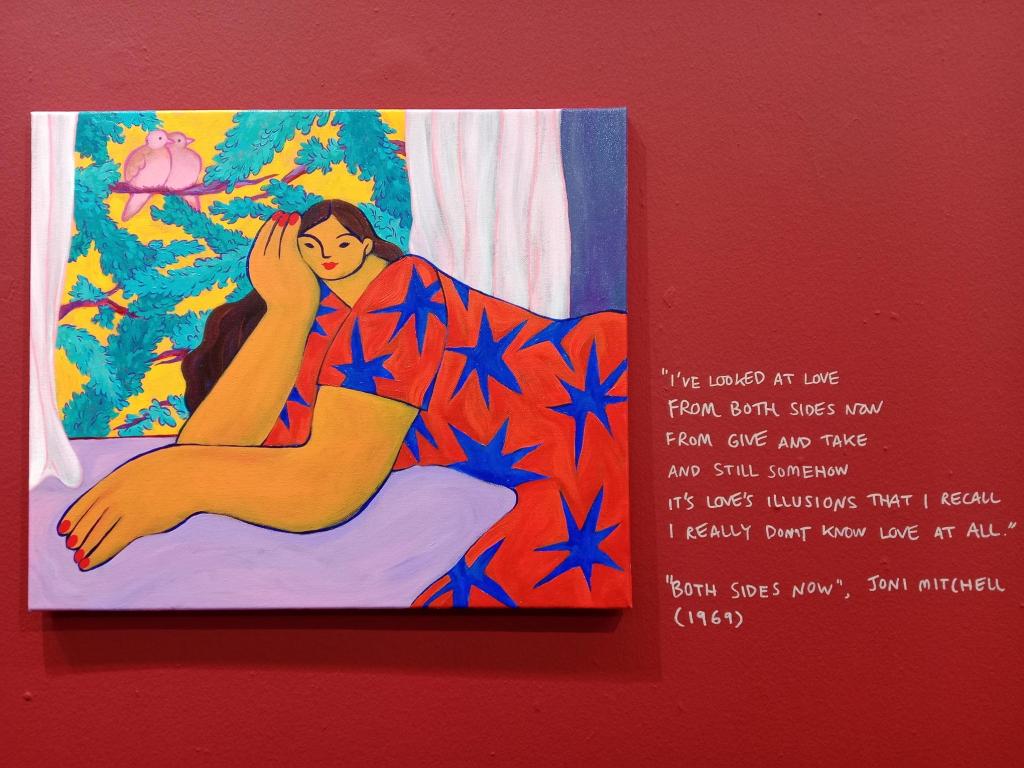
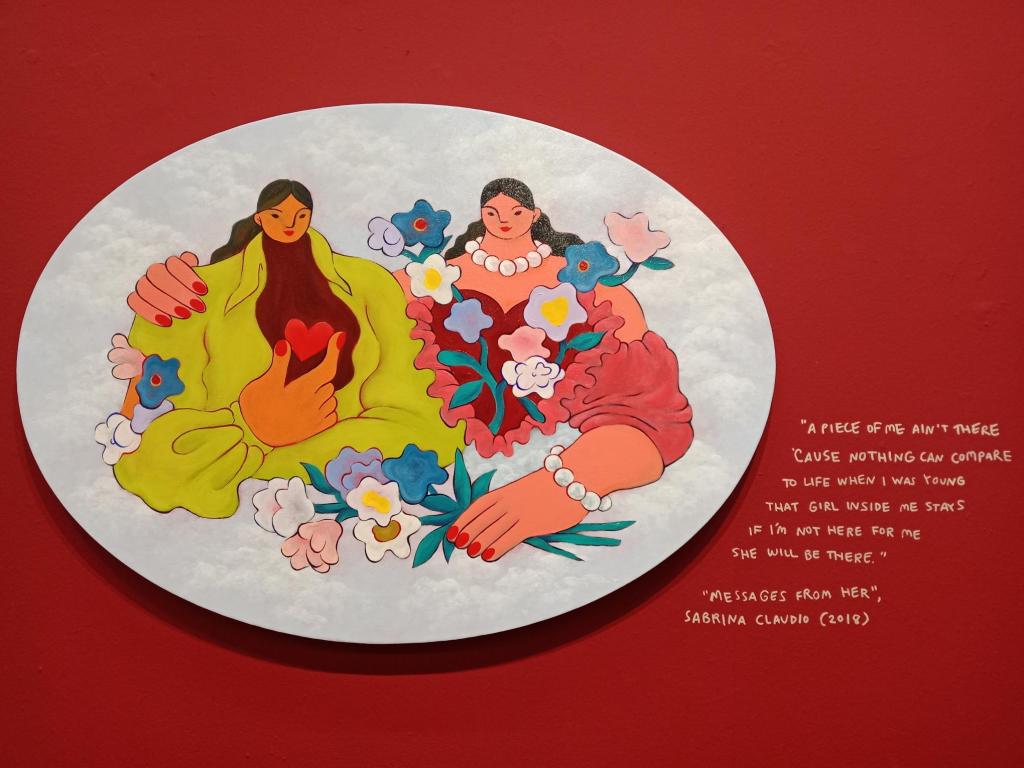
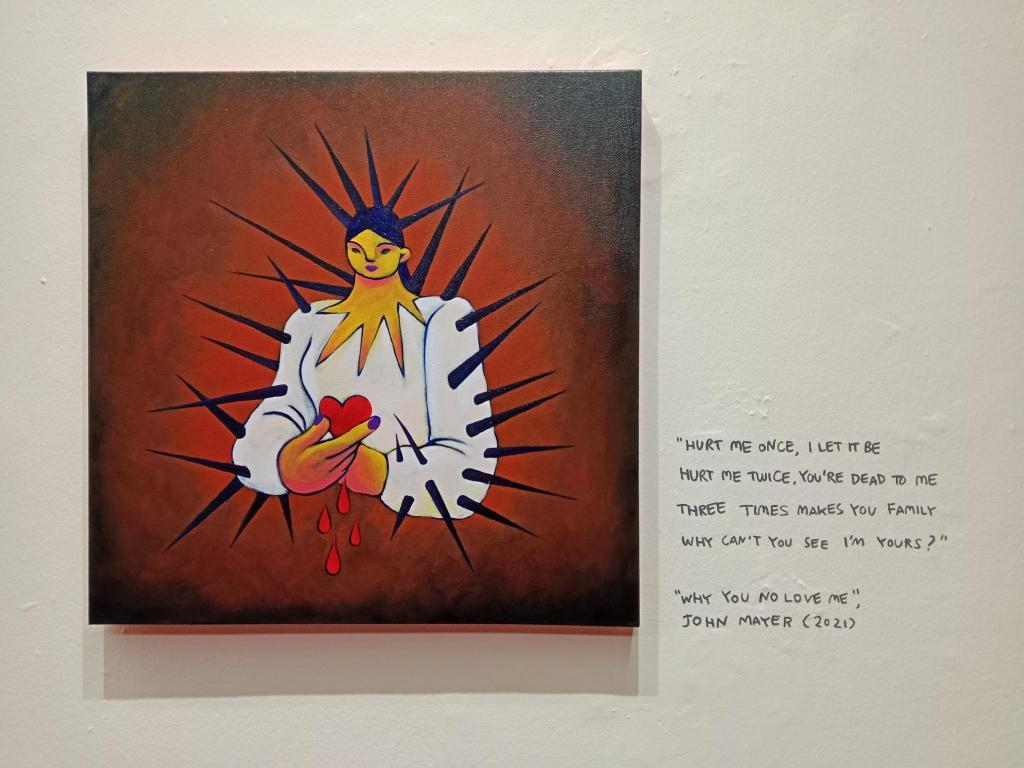









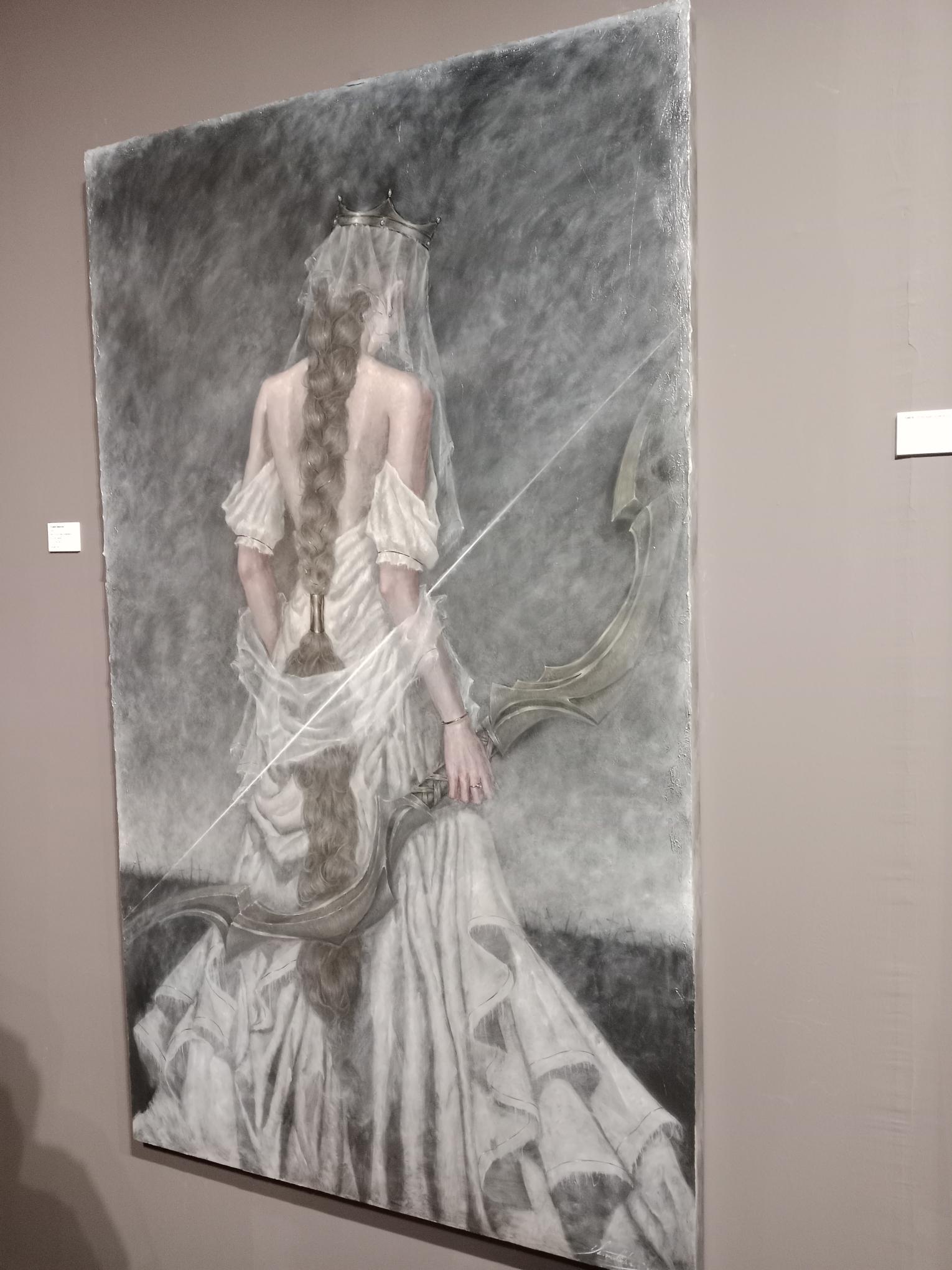
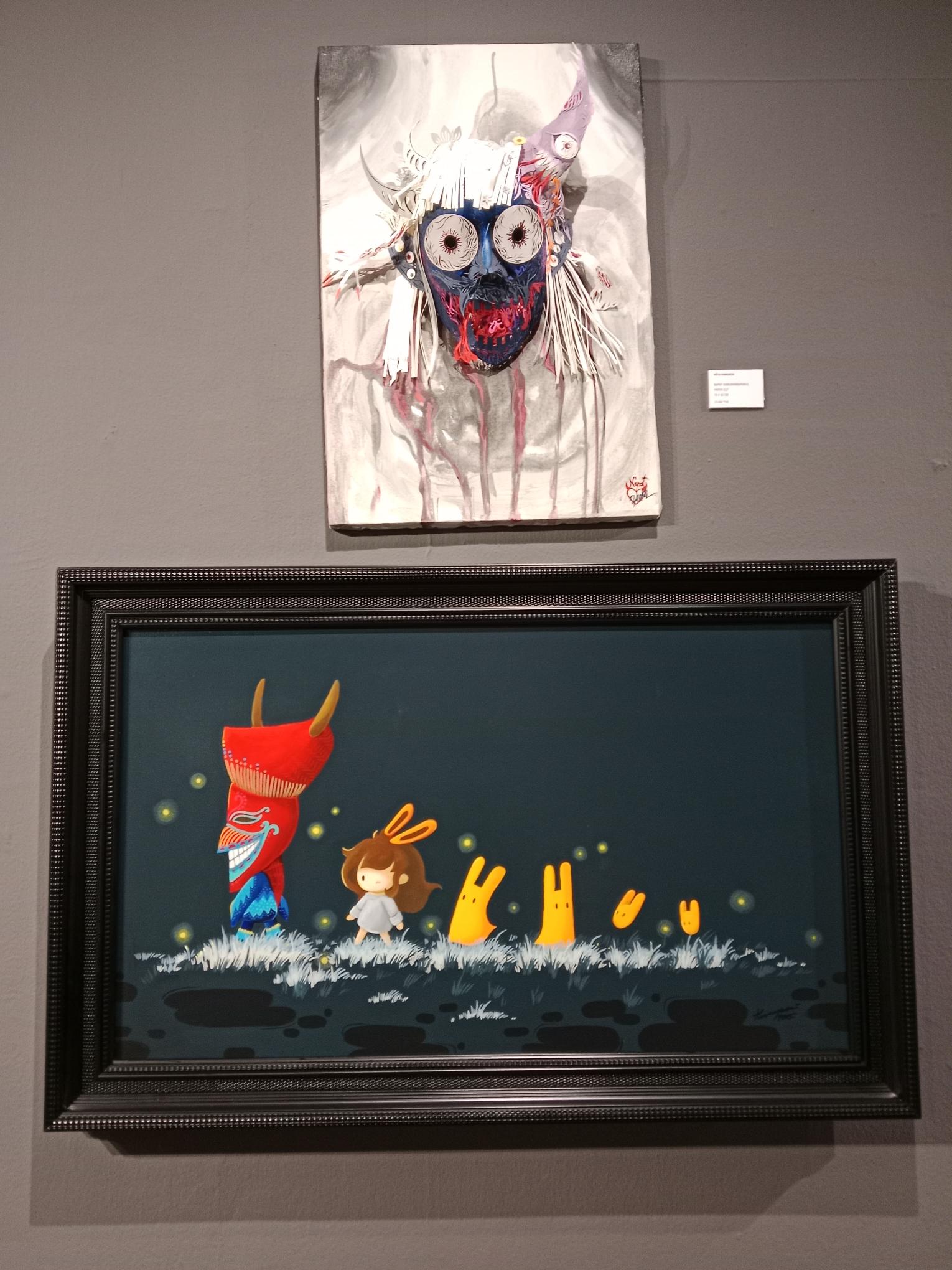
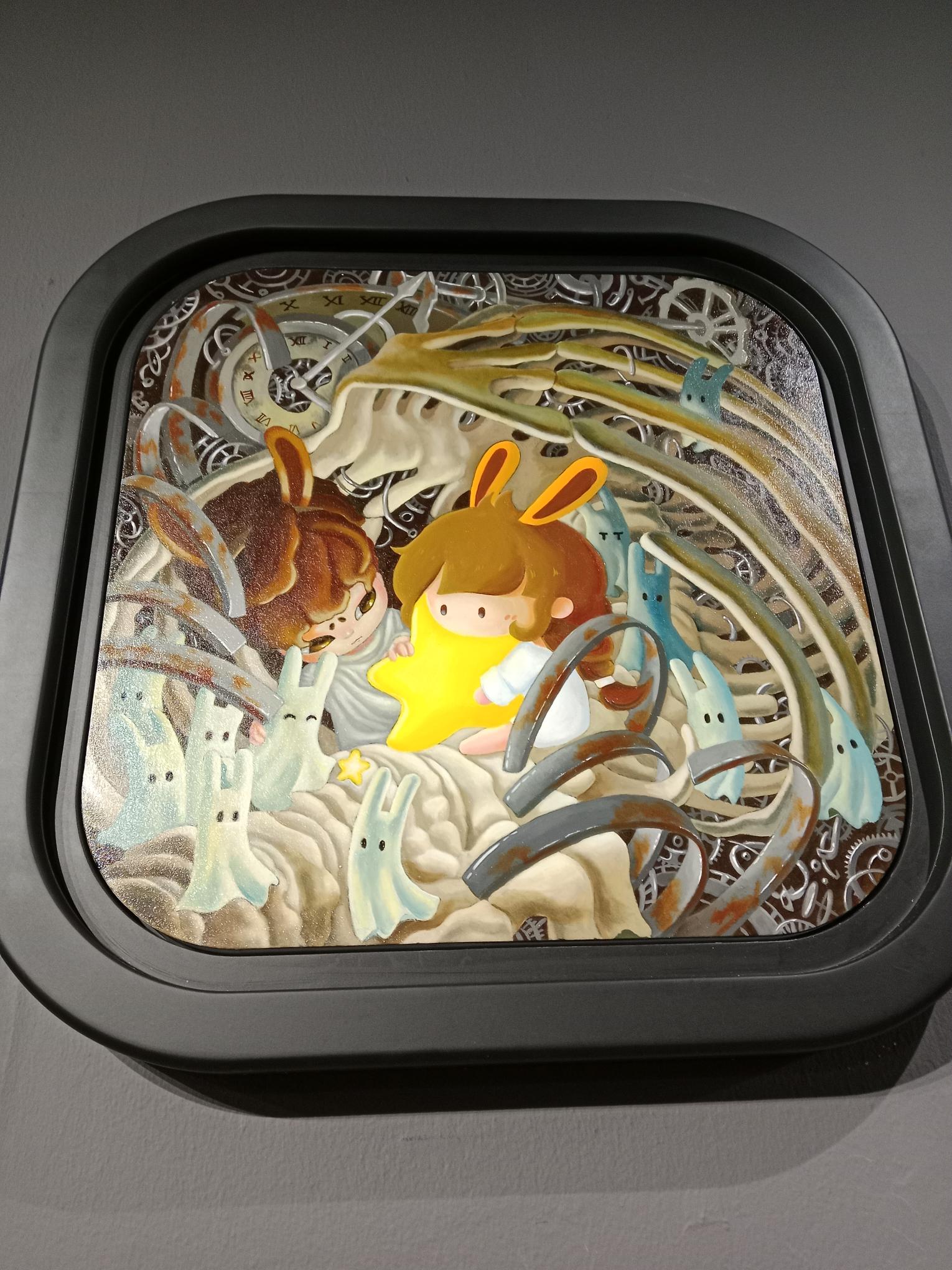
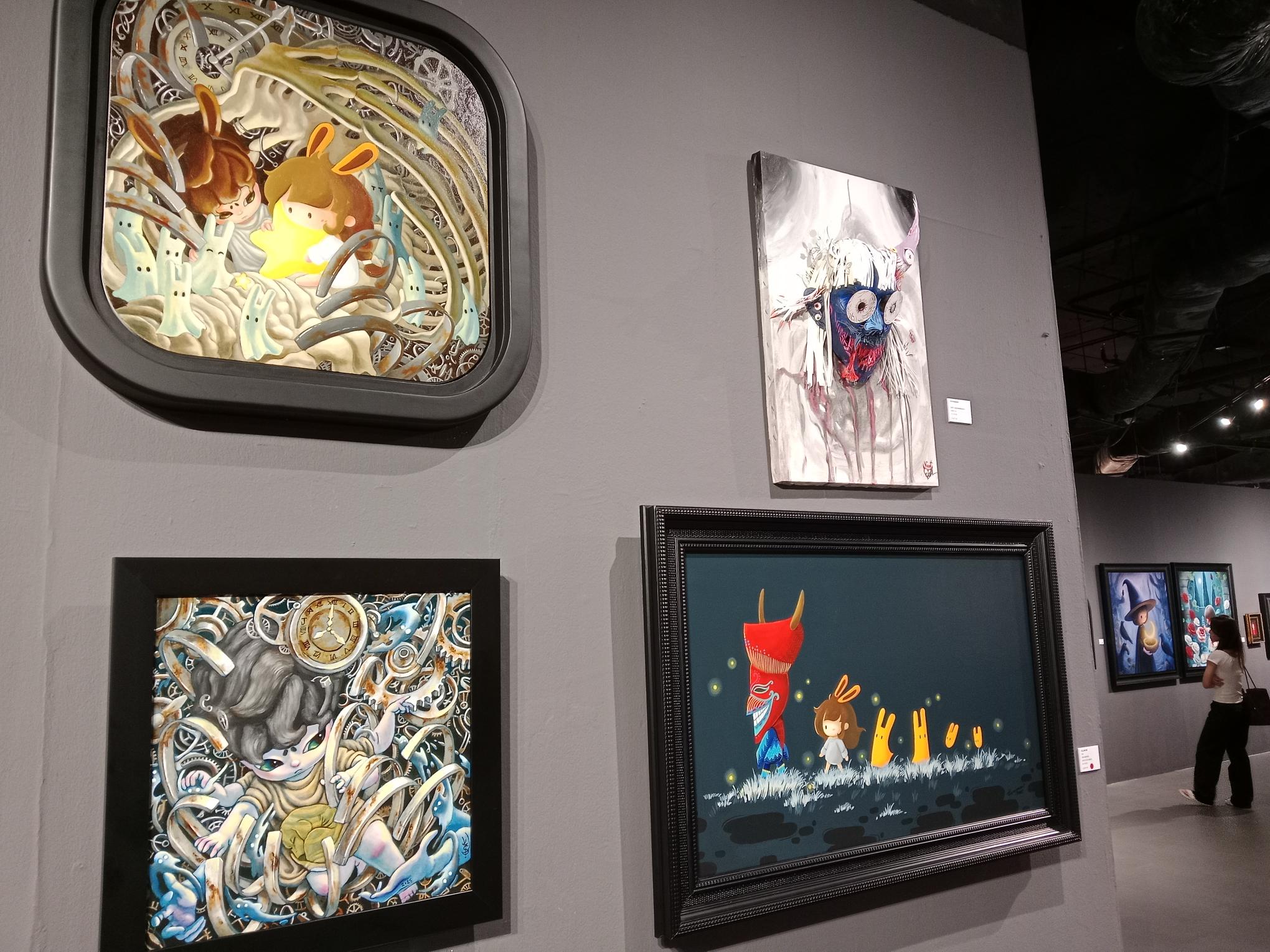
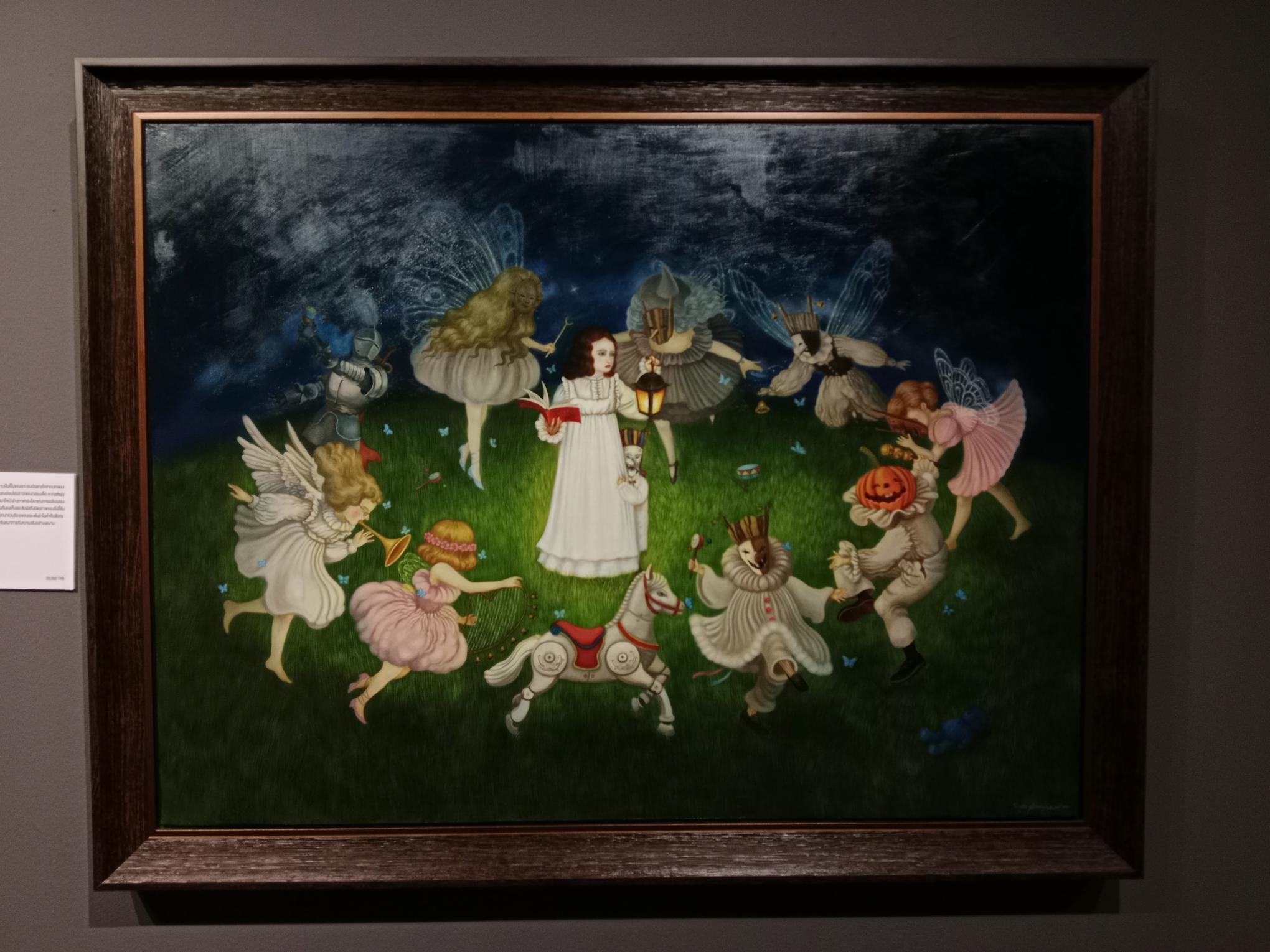

 Salisa lohavittayavikant